

 Editer
Debunking common myths What you should know about gambling misconceptions
The Myth of Guaranteed Wins
One of the most pervasive myths in the gambling world is the belief that certain strategies guarantee wins. Many players cling to the idea that they can predict outcomes or manipulate the odds in their favor. In reality, games of chance like slots, roulette, and blackjack rely on random number generators and probability, meaning that no strategy can assure a win. Understanding the nature of these games is crucial for managing expectations and making informed decisions. Players interested in enhancing their experience can explore online pokies new zealand, which offers an exciting range of options.

Moreover, these misconceptions often lead to financial setbacks as players chase losses, believing they can recover their money with the next bet. It’s important to approach gambling as a form of entertainment rather than a reliable way to make money. This shift in mindset can help gamblers enjoy their experiences without the detrimental stress of unrealistic expectations, allowing for a healthier relationship with gambling activities.
Additionally, the idea that a “lucky streak” can be sustained is another myth that needs debunking. The notion that one can continuously win is flawed, as outcomes are always random. Recognizing the randomness of gambling can help players enjoy the thrill without getting caught up in unfounded hopes of consistently hitting jackpots or winning hands, fostering a more responsible gambling culture.
Believing in Hot and Cold Streaks
The belief in “hot” and “cold” streaks is a common misconception that can lead to poor decision-making. Many gamblers believe that if a slot machine hasn’t paid out recently, it’s “due” for a win, or conversely, that a machine that has been paying out frequently will soon stop. This belief is rooted in the misunderstanding of how probability and randomness work in gambling environments. Each spin or hand is an independent event that does not affect subsequent outcomes.
This misconception can often lead players to stay at a game longer than they should, believing that they are on the verge of a big win. Players might pour more money into games based on the false hope that their luck will turn around. Understanding that each play is a separate event devoid of any past influence can help gamblers make more rational choices, encouraging them to walk away when they are on a losing streak rather than chasing unrealistic expectations.
Furthermore, the concept of streaks can lead to emotional decision-making, where players find themselves caught up in the excitement or disappointment of outcomes. It’s crucial to be aware of these emotional triggers and recognize them for what they are—illusions that can cloud judgment and lead to poor gambling behavior. Keeping a clear head and sticking to a budget is key to a positive gambling experience.
The Illusion of Skill in Games of Chance
Another myth surrounds the belief that skill can significantly impact outcomes in games primarily based on chance. While certain games like poker do involve elements of skill and strategy, many casino games are designed to be random and unpredictable. This misconception can lead players to overestimate their abilities, resulting in risky betting practices that may lead to substantial losses. Understanding the difference between skill and chance is essential for any player looking to engage responsibly in gambling.
In games like slots or roulette, the outcome is based purely on chance, and no amount of strategy can sway the results. This can be frustrating for players who believe that with enough practice or research, they can tilt the odds in their favor. Instead of relying on perceived skill in these situations, players should focus on enjoying the games while setting limits on their time and money spent.
Moreover, the promotion of skill in games of chance can create a false sense of security among players, leading them to underestimate the house edge. The house always has a built-in advantage, making it essential for players to recognize that losing is an integral part of the experience. Cultivating a realistic understanding of what skill can and cannot achieve is vital for fostering a more sustainable approach to gambling.
The Misconception of Gambling Addiction
Gambling addiction is often misunderstood, leading to stigma and misconceptions about those who struggle with it. Many believe that addiction only affects certain individuals, ignoring the fact that gambling addiction can impact anyone regardless of their background or financial status. The compulsive behavior associated with gambling often stems from various psychological factors, making it vital to recognize that addiction is a complex issue that requires compassion and understanding.
Moreover, the misconception that gambling addiction only occurs in heavy gamblers overlooks the fact that even occasional players can develop harmful habits. It’s essential to understand that the thrill of gambling can lead to risky behavior, and the lure of potential wins may cause individuals to gamble beyond their means. Education on responsible gambling practices and recognizing the signs of addiction is crucial in creating a healthier gambling environment.
Recognizing the importance of seeking help is another key aspect often overlooked. Many resources are available for individuals struggling with gambling addiction, including counseling and support groups. Promoting awareness about these resources can empower individuals to take the first step toward recovery. By fostering an environment that encourages open discussions about gambling-related issues, we can help destigmatize addiction and support those in need.
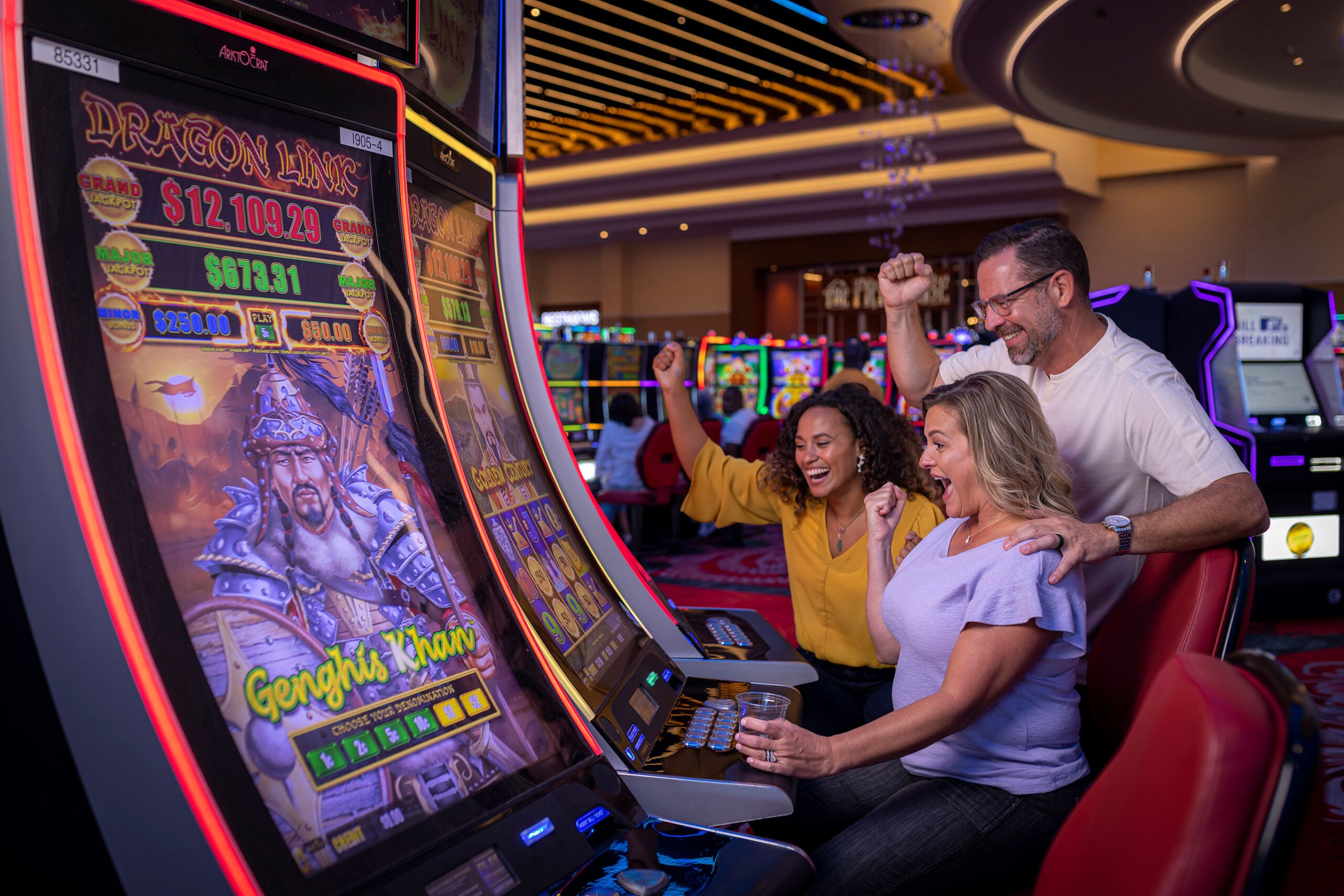
Resources for Informed Gambling Choices
For individuals looking to navigate the gambling world responsibly, reliable resources are available to aid in making informed choices. Websites dedicated to reviewing online casinos often provide comprehensive information, including game variety, payment methods, and responsible gambling tools. Understanding these aspects can help players find reputable platforms that prioritize safety and transparency.
Moreover, engaging with communities that promote responsible gambling can significantly enhance the overall experience. These communities offer support, share tips, and discuss experiences, creating a network that encourages healthy gambling habits. Players can benefit from learning about budgeting strategies and how to recognize their gambling behavior, fostering a more responsible approach to gaming.
Ultimately, the key to a successful gambling experience lies in being well-informed. By utilizing available resources and engaging with knowledgeable communities, players can enjoy their gambling experiences while minimizing risks. Understanding the misconceptions surrounding gambling helps cultivate a culture that values responsibility and informed decision-making, leading to a safer and more enjoyable environment for all.


 citybeatnewscommunication@gmail.com